Classroom Ideas
Printable Coloring Pages for Classroom Centers
A practical classroom guide for turning printable coloring pages into low-prep center work, early finisher tubs, quiet stations, and take-home packets.

Start with one clear classroom job
Printable coloring pages work best when each sheet has a job beyond filling time. Pick a purpose before printing: fine motor practice, quiet reset, vocabulary review, number recognition, seasonal art, or an early finisher routine.
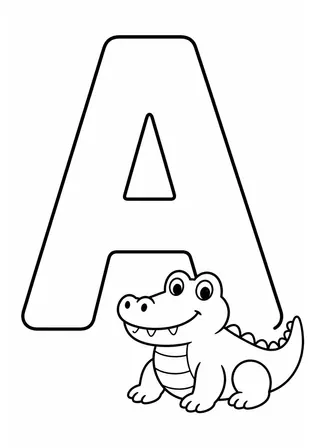
- Use alphabet pages for literacy centers and letter-of-the-week work.
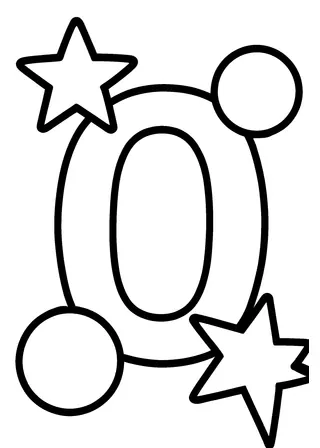
- Use number pages for math tubs, morning bins, and counting review.
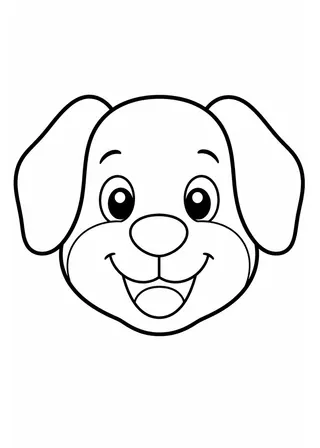
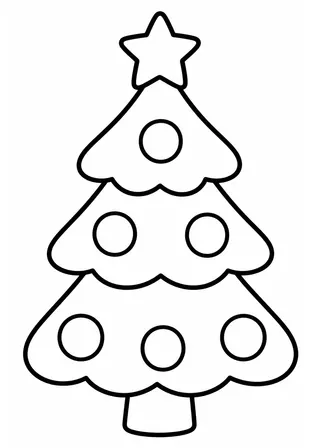
- Use animal and food pages for vocabulary, speaking practice, and independent quiet work.
Build small packets instead of loose stacks
A small packet is easier to manage than a pile of mixed printables. Group pages by theme, age fit, or difficulty, then keep each packet in a folder or tray with a simple classroom label.
- Preschool and kindergarten packets should use simple outlines and large open areas.
- Grade 1-2 packets can mix letters, numbers, animals, food, and seasonal pages.
- Detailed pages are better for calm-down corners, indoor recess, or older students.
Use PDF bundles for repeat routines
When a topic becomes a recurring routine, use a full PDF bundle or topic pack. One download is easier for sub folders, take-home packets, and weekly center planning than opening individual pages one by one.
- Use the A-Z bundle for letter sequence work.
- Use the 0-10 bundle for number recognition and math centers.
- Use topic PDF packs when a classroom theme needs several related pages.
Keep printing simple
For everyday classroom use, print black-and-white, one-sided, and fit-to-page. Keep color examples optional so student copies stay ink-friendly.
Quick answers
What coloring pages work best for classroom centers?
Simple pages with clear outlines, age-appropriate subjects, and large coloring areas usually work best for centers because students can complete them independently.
Should classroom coloring pages be printed as PDFs?
PDFs are usually best for classroom use because they keep page size, margins, and layout consistent across printers.
How many pages should I put in an early finisher packet?
Three to six pages is usually enough for a small early finisher packet without wasting paper or overwhelming students.