Classroom Ideas
Animal Face Coloring Pages for Preschool Practice
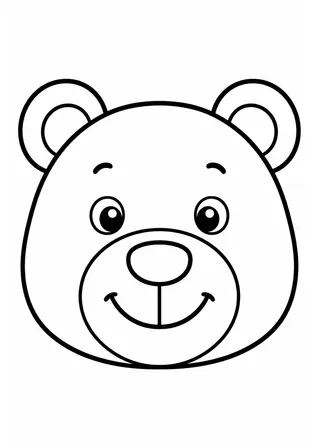
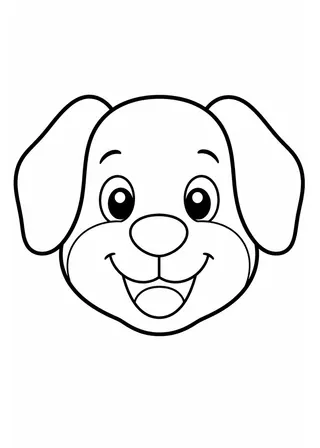
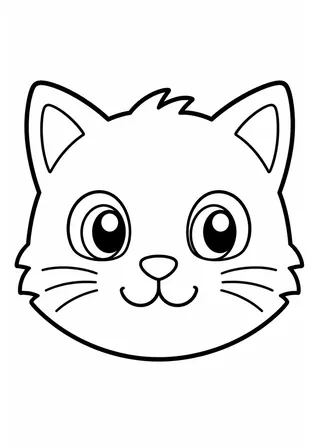
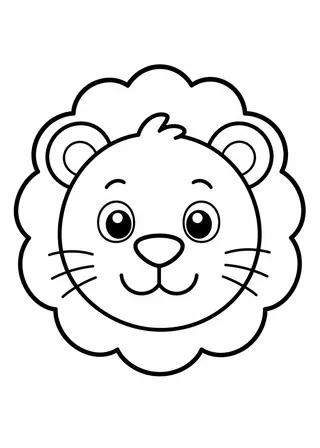
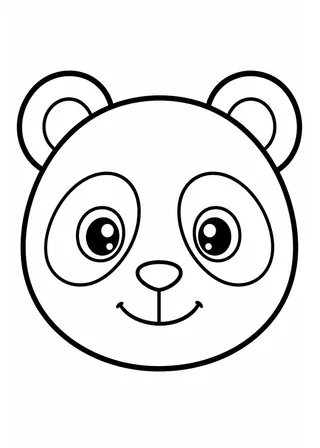
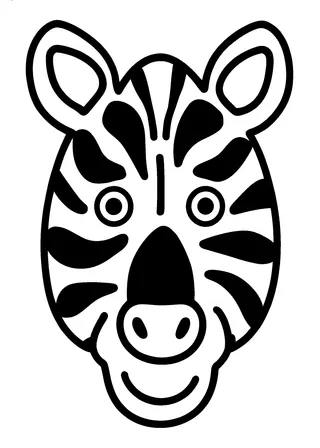
Animal face coloring pages give younger children simple outlines, familiar subjects, and easy chances to practice animal words before they color.

Start with one large face
Animal face coloring pages work best for preschool when the page has one clear head, big eyes, and open spaces. Children can focus on naming the animal, choosing colors, and staying inside a simple outline.
Use the page for vocabulary first
Before coloring, ask children to name ears, eyes, nose, mouth, whiskers, stripes, or spots. This turns a quick coloring page into an animal vocabulary activity without adding prep.
Build a small compare-and-sort packet
Print a few different faces and sort them by farm animals, wild animals, pets, or ocean animals. A short packet is easier for young children than a large mixed stack.
Keep detail level low for independence
For younger students, avoid tiny fur textures and busy backgrounds. Save detailed animal pages for older children and use simple face pages for centers, quiet work, or take-home practice.
Quick answers
What animal face coloring pages are easiest for preschool?
Large animal faces with bold outlines, simple features, and very little background detail are easiest for preschool.
Can animal face coloring pages help with vocabulary?
Yes. Children can name animal body parts, colors, textures, and categories before or after coloring.
Should I print one animal face or a packet?
Use one page for a quick activity and a small packet when you want sorting, centers, or take-home animal practice.